
purpose of an Board pcb assembly
A Board pcb assembly is the process of putting all the components of a printed circuit board together. This is done by a variety of automated and manual processes. This process is very important because it ensures that the final product meets its intended specifications. Faulty or substandard components can lead to a variety of problems, including shortened product lifespan and potential safety hazards. To avoid these issues, it is important to use a PCB manufacturer that adheres to strict industry standards and employs thorough quality control measures throughout the manufacturing process.
The first step in the process is the creation of a bill of materials (BOM). This list includes all the components needed to assemble the PCB, including part numbers, quantities and reference designators. This helps with inventory management and procurement.
Once the BOM is complete, it is time to set up the PCB layout. This process involves setting up the shape and size of the board, as well as arranging the component placement to comply with the mechanical design of the circuit board. This step is typically done with ECAD software, and is sometimes automated. It is also during this stage that the routing of traces is determined. This is necessary to ensure that the correct connections are made between the different components.
What is the purpose of an Board pcb assembly?
Next, the circuit board is prepared for soldering by applying a layer of copper foil to both sides of the board. This makes it possible for the solder to attach to the component leads, and allows the board to conduct electricity. Then a layer of solder mask is applied to the boards, which protects them from damage and keeps the copper traces visible. Finally, a legend is printed on the boards, which usually contains the component designators, switch settings, test points and other information useful for assembling, testing, servicing and using the circuit board.
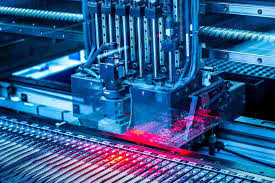
There are two basic types of equipment used in the board pcb assembly process: surface mount technology and through-hole technology. The former involves placing surface-mount components, such as resistors and diodes, onto the board. This is done automatically through SMT machines, which can be programmed to recognize and place these components according to their design files. It is also during this process that the solder paste is stenciled onto the board.
This is a crucial step in the assembly process, as it ensures that all of the components are placed correctly and securely. Once the solder paste is stenciled on, the board is sent to an automated machine that adds the surface-mount components to the board. These machines are able to accurately locate and place small components, such as diodes and capacitors, on the circuit board.
After the components are added, the PCB is inspected to ensure that it is free of any defects or faulty connections. This can be done manually, or by an automatic optical inspection machine, or AOI. These machines use a series of high-powered cameras to “see” the PCB, and can detect when a solder connection is of low quality by analyzing how light reflects off of it.


