
Quick Turn PCBs in the Automotive Industry
PCBs (Printed Circuit Boards) are the foundation of the electronic control systems in today’s vehicles. Every component, from the engine to the radio, is regulated and powered by these small pieces of metal and plastic. Even the smallest details—such as how digital displays are configured—are dictated by these tiny boards.
While they may seem like simple components, PCBs are integral to automotive safety and performance. Adherence to standards, strategic material selection, rigorous testing, and long-term considerations are all necessary to ensure that these critical components can survive the dynamic environmental challenges of the automobile.
Despite their rapid turnaround, quick turn pcb boards can achieve quality levels that rival traditional manufactured boards. This is due to advanced manufacturing techniques and rigorous inspections, which allow for a high degree of consistency and reliability in a shorter timeline. However, certain designs—those that are very complex or require extensive testing and certification—may not be appropriate for the quickest turnaround options.
The first step in the quick turn process is the design phase, which involves conceptualizing the circuit, creating schematics, and laying out the board. Modern design software tools simplify this process, enabling designers to work efficiently and accurately. By following DFM (Design for Manufacture) principles, engineers can reduce the time it takes to fabricate a PCB by eliminating unnecessary features and minimizing manufacturing defects. This helps ensure the first-pass yield of a PCB is as high as possible, cutting down on cost and production delays.
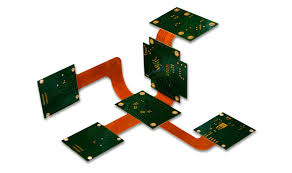
The Role of Quick Turn PCBs in the Automotive Industry
Once the design is finalized, the PCB must be prepared for fabrication. In order to meet a tight deadline, it’s important that all responsible parties provide timely feedback on the status of the design and project requirements. This prevents unanticipated issues, such as changes to the design or sudden revisions to the materials list, from delaying the timeline.
In addition to a thorough pre-production design review, a reputable PCB manufacturer will also employ a variety of inspection and testing methods. These may include flying probe testing, X-ray inspection, thermal imaging, and Boundary Scan testing. These tests help ensure that all components are properly spaced and connected to the correct layers, reducing assembly times and streamlining quality control.
Quick turn PCB production is undergoing a transformative shift, driven by innovative technologies that are increasing speed, precision, and efficiency. Artificial intelligence and machine learning are transforming the industry, with AI-powered defect detection and predictive maintenance systems boosting accuracy and reducing inspection time. Meanwhile, advanced materials are offering greater strength and heat dissipation, while additive manufacturing techniques are making it easier to produce PCBs with complex geometries.
Quick-turn PCB boards are particularly valuable in industries where time is of the essence, such as electronics, medical devices, automotive systems, and consumer products. The process enables rapid iteration, testing, and validation of designs, making it a game-changer for engineers and designers working to refine prototypes and bring products to market quickly.


