
Role of Leadership in Governance
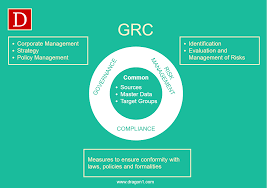
Governance, risk, and compliance — better known as GRC — is a framework that ensures your company has the processes in place to meet regulatory requirements, manage risks, and act ethically. GRC is a vital part of a business’s ability to address uncertainty and achieve objectives despite the many challenges and threats facing companies today.
The key to a successful grc governance risk compliance program is in the leadership of those who oversee the governance, risk management, and compliance functions. For these roles, it’s critical to have strong leaders in place who can guide employees and provide the necessary support to execute on the pillars of GRC.
Women are poised to continue shaping the future of GRC, bringing unique strengths like ethical decision-making and long-term strategic thinking to these high-stakes areas. They also tend to foster environments of collaboration and inclusivity that encourage diverse viewpoints — important attributes for effectively addressing the complex issues inherent in risk assessment and management.
The Role of Leadership in Governance, Risk, and Compliance
While grc governance risk compliance may seem like three distinct disciplines, they are inextricably linked and depend on one another for success. Each discipline focuses on a different aspect of an organization’s operations, but they all impact the same technologies, people, and processes. When each function does not understand the importance of the others, it can create significant inefficiencies and vulnerabilities in the overall operation.
As companies face increasing uncertainty and regulatory requirements, the role of leadership in governance, risk, and compliance has never been more important. To achieve the highest levels of success, leadership must be forward-thinking, dynamic, and agile to ensure that all three components are working in unison to protect their organization.
A key component of GRC is the governance function, which establishes policies and procedures that govern how an organization operates and makes decisions. This includes setting an acceptable level of risk based on the unique circumstances of each company, defining and monitoring compliance standards, and ensuring that all activities are conducted in line with applicable laws and regulations.
Once these policies are established, the remaining risks must be managed through a robust risk management process. This can include internal controls and other procedures that ensure all risks are adequately addressed, as well as identifying the risks that have not been mitigated by accepted controls. This can include things like data security, cybersecurity, third-party risk management, and supply chain and operational risks.
In order for your GRC strategy to be successful, it must have the full support of the executive team. In particular, a CEO or CFO can play an essential role in establishing the budget and resources that your GRC efforts will need to succeed. In addition, leadership must be willing to support and implement cultural change that ensures employees from all departments are fully engaged in the GRC process and supporting the organization’s goals.
While there are several frameworks available to help organizations build effective GRC programs, they cannot be successful unless they have the full support of leadership. It is the responsibility of leadership to create an environment in which all employees, regardless of gender, can thrive and contribute their best efforts to ensure that your organization can manage any business risk.
