
Are electronics circuit boards more expensive
Electronics circuit boards are the physical canvas or road map that allows various electronic components to interact with each other. They can come in a wide variety of sizes and shapes, but their core functionality is always the same. These devices serve as a platform for wiring to connect components like chips, resistors, capacitors, and integrated circuits (ICs). PCBs are also used in complex systems like power monitoring and test equipment.
These electronics circuit boards can be categorized as single-sided, double-sided, multilayer, rigid, or flexible PCBs. Their insulating substance is called a dielectric. They have copper traces that facilitate electrical pathways. The type of copper varies and can be etched for better conductivity. PCBs are also divided into different classes based on their performance requirements. Class III boards, for example, are the most expensive because they require higher-grade materials and more rigorous EMI/EMC testing.
The most common type of PCB is the single-sided board, which has conductive pathways on one side of the substrate. This makes it the simplest and lowest-cost option. It is typically found in consumer electronics and toys. A double-sided circuit board is more complex, with conductive pathways on both sides of the substrate. This allows for a more organized layout and increases the efficiency of the design. It is commonly seen in consumer electronics and some industrial applications.
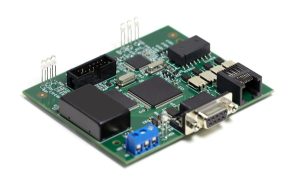
Are electronics circuit boards more expensive than traditional PCBs?
Multi-layer circuit boards are more complex than double-sided boards, with a layer count that can range from two to 40 or more for high-end applications. These circuit boards are more costly to manufacture because they require more layers of substrate and copper, which in turn increases the overall cost. In addition, multi-layer circuit boards use vias (vials are holes that connect copper traces to other components on the board) that require specialized techniques to drill and plate.
Flexible and rigid-flex circuit boards are both more expensive than their rigid counterparts because of the extra processing steps required to manufacture them. These circuit boards are often used in wearable electronics and high-reliability applications such as aerospace and medical devices.
When it comes to pricing, the number of layers in a circuit board is the main factor in determining its cost. However, the material and size of the board also have an impact on its price. In addition, other factors can add to the final cost of a circuit board. These include the size and shape of the board, its surface finish, and any special specifications that may need to be met.
The size and shape of a circuit board impacts how efficiently it can be cut, which in turn affects its production time and costs. A larger or irregularly-shaped board requires a more complex cutting process, which will result in waste and drive up manufacturing expenses. It may also need to be reinforced with additional materials to support its weight and structure, further increasing the cost.


