
AI Voice Agents Handle Interjections Like “Uh” or “Um”
AI voice agents are designed to understand and generate human-like speech, making conversations as natural and seamless as possible. One of the biggest challenges in achieving this is handling interjections such as “uh” or “um.” These small vocalizations, often dismissed as filler words, play a significant role in communication. They can indicate hesitation, signal that the speaker is thinking, or help maintain the flow of conversation. For AI voice agents to engage effectively with users, they must be able to process, interpret, and sometimes even generate these interjections appropriately.
Understanding interjections in human speech requires advanced natural language processing (NLP) and speech recognition capabilities. When users speak to an AI voice agent, their speech often includes pauses and filler words. Traditional speech-to-text models might transcribe these interjections as meaningless noise, but modern AI systems are trained to recognize them as part of natural speech patterns. By analyzing large datasets of human conversations, AI voice agents can determine when an interjection is simply a hesitation or when it carries a deeper meaning, such as uncertainty or the need for clarification.
Once the AI identifies interjections in speech, it must decide how to handle them. In many cases, removing these filler words improves the clarity of transcriptions and responses. For example, in customer service applications, eliminating unnecessary interjections from text-based outputs ensures that responses are concise and professional. However, in more conversational settings—such as virtual assistants or AI-driven phone support—retaining some interjections can make interactions feel more natural. The challenge lies in finding the right balance between fluency and authenticity.
How Do AI Voice Agents Handle Interjections Like “Uh” or “Um”?
Beyond processing interjections in user speech, AI voice agents also need to determine whether and when to use them in their own generated speech. Completely eliminating interjections from AI-generated responses can make conversations sound overly robotic, as humans naturally use filler words to signal thought processes. Some advanced AI voice agents incorporate subtle interjections strategically, particularly in situations where a slight pause or hesitation enhances the realism of the conversation. For example, an AI responding to a complex query might say, “Uh, let me check that for you,” instead of delivering a perfectly smooth response. This technique helps simulate a more human-like interaction.
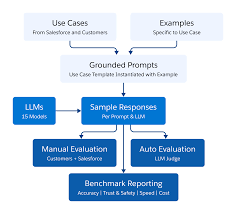
Context plays a crucial role in how Automated Al voice agent evaluation and benchmarking handle interjections. In professional or formal settings, minimizing filler words helps maintain credibility and precision. On the other hand, in casual conversations or virtual assistant interactions, allowing occasional interjections can make the AI seem more relatable and engaging. Some AI models use machine learning algorithms to adapt their use of interjections based on the user’s speaking style, creating a more personalized conversational experience.
Handling interjections like “uh” or “um” effectively is an important part of making AI voice agents sound more human. By leveraging advanced speech recognition, contextual understanding, and adaptive learning techniques, AI systems can process and generate interjections in ways that enhance communication. As AI technology continues to improve, voice agents will become even better at mirroring natural human speech patterns, making interactions more intuitive and lifelike for users across different applications.


