
Flex Circuits Can Be Used in High-Frequency Applications
A flex circuit is essentially a printed circuit board (PCB) that can bend. It includes conductive copper layers that connect to surface mount devices, as well as a dielectric layer for the signal conductors and ground planes. Flex circuits have a wide range of applications, but are especially valuable in high-speed data transmission. The signal integrity of a flex circuit is critical for high-speed data transfer, as any loss of impedance can compromise performance and create data corruption.
To ensure that flex circuit meet the demands of high-speed signaling, designers use advanced PCB design software to optimize the layout and design process. This allows them to simulate the signal’s behavior and detect potential problems before moving to fabrication.
The choice of substrate material is another important factor that affects signal integrity. Different materials have varying dielectric constants and losses, which can impact the way signals travel through the circuit. This can cause a delay, data corruption, or even complete signal loss. To prevent signal degradation, engineers should always choose the best dielectric substrate for a particular application.
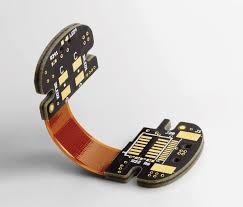
How Flex Circuits Can Be Used in High-Frequency Applications
A flex circuit can be made from a variety of materials, but the most common are copper foil and polyimide. Copper foil is etched to form the circuit’s conductive paths, and it is available in a variety of thicknesses. The thinner the foil, the higher the circuit’s current-carrying capacity. The most common flex circuits are single-layer structures, but multi-layer designs are also possible. A multi-layer flex circuit may consist of multiple metal foils printed sequentially separated by print insulating layers.
In addition to selecting the right materials, a flex circuit’s layout and assembly methods will affect its ability to bend and withstand high-frequency signal transmission. For example, a dynamic flex circuit should avoid having adjacent-layer copper traces overlap each other. This will increase the stress on the traces during bending, and it is more likely to cause fatigue fractures of the copper. To prevent this, the flex circuit should use RA copper to increase its fatigue life in repeated bending cycles.
In the medical field, flex circuits are revolutionizing the design of medical devices and implants. From wearable health monitors to implantable cardiac pacemakers, these circuits enable the development of smaller, more discreet devices that can conform to the body’s contours while providing continuous monitoring and therapeutic functions. Their biocompatibility and reliability make them a preferred choice for medical electronics, where patient safety and comfort are paramount.
The benefits of a flexible circuit are numerous and significant. They can reduce the size and weight of a product, eliminate bulky wire harnesses, and cut assembly time by eliminating the step of routing, wrapping and soldering individual wires. They can also shorten a bill of materials by replacing multiple line items with a single, consolidated flex circuit. Whether your application involves simple or complex flex circuits, they can deliver the flexibility and reliability you need to bring your next great product to market.


