
Materials Are Used in Flex PCBs
Printed circuit boards (PCBs) can be rigid or flexible. Rigid PCBs are used in a few products, including wristwatches, while flexible PCBs have many uses because they can adapt to a variety of shapes and sizes. They are also lighter than rigid boards and offer more space for wires and connectors. However, despite the flexibility of these circuits, they must remain structurally sound. Fortunately, the material that flex pcbs are made of can endure these stresses.
The most popular material for flex circuits is polyimide, or PI. It is a plastic that is able to bend and withstand high temperatures. This is what makes it ideal for the design of flex circuits. It is also a recyclable material, making it more environmentally friendly than other rigid materials. In addition, PI is available in reel-to-reel technology which simplifies the manufacturing process and increases reliability.
In addition to PI, flex circuits can be made from different types of laminates. They can be single- or double-sided, or multilayered. They can have one or more stiffeners, which are pieces of rigid material that add mechanical support to the circuit board. Typically, stiffeners are made from FR-4 fiberglass or Kapton. Often, they are placed at the ends of the circuit to allow it to attach to zero insertion force (ZIF) connectors. In some cases, they are used at other points to stabilize the flex circuit and prevent it from becoming damaged during assembly.
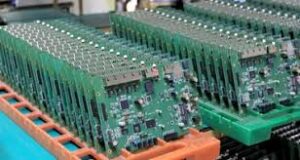
What Materials Are Used in Flex PCBs?
Stiffeners are important in a flex circuit because they prevent damage to solder joints when the substrate bends. They also protect the components from damage during assembly, soldering, and etching processes. It is important to keep in mind that a flex substrate can absorb moisture during lamination. Therefore, it is essential to dry out the circuit before placing and soldering components.
Moreover, the copper layer in a flex PCB must be properly annealed during the fabrication process to ensure its stability and conductivity. During this step, the copper foil is heated to a temperature that is higher than its melting point and then stretched to lengthen its grain structure. This process reduces the likelihood of cracking and improves signal transmission. In addition, a proper layout is crucial for the success of a flex circuit. The placement of traces, pads, and connectors must be accurate in order to maintain the integrity of the flex circuit.
Flex circuits can be a great option for your next electronic project. The flexibility of these circuits can help you fit them into spaces that would be impossible for rigid boards to accommodate. Additionally, flex circuits can reduce overall weight and cost by eliminating traditional wiring harnesses. However, a good design is critical to the successful manufacture of any type of circuit board. To ensure the quality of your flex circuit, make sure that you are using a certified PCB manufacturer. PCB Prime offers a range of specialized services, from design to prototyping and assembly, and can configure a flex circuit to suit your needs. Contact us today to get started!


